SmartCity, SmartHome, Smart... has entered out vocabulary in increasing frequency. Recently Home Automation has picked up a lot of traction with multiple players.
It is important to know how these automation products get their connectivity for control.
Some of the main connectivity options are:
Wi-Fi
Bluetooth
Insteon
UPB
Thread
Z-Wave
Zigbee
They all work with different protocols and platforms. One has to consider inter-operability while choosing one or the other. Cost, availability, ease of use and power consumption are also of concern.
It is widely used. Most homes have Wi-Fi routers and a wireless hub where they can connect to devices. Interference and bandwidth are the main issues as most people have already experienced. It is also high on power consumption. A real guzzler.


Universal Powerline Bus(UPB)
Universal Powerline Bus(UPB) is a replacement for X10 with superior reliability and range (mile plus range). The signal rides piggy back over the powerline reducing cost for separate control lines. Although it replaces X10, it is not compatible with it. It is also incompatible with newer technologies like Wi-Fi, Bluetooth, etc. Lacking encryption, it is not as secure as wireless.

Read here are for more:
http://www.homeautomationinfo.com/Drupal/technology_upb
Z-Wave
Z-Wave runs on 908.42 MHz. It is one of the most popular home automation protocols and does not interfere with your 2.4GHz band devices. It is widely compatible with all Z-wave family of products. Compatible backwards and forwards. Setting up and using the devices are a breeze.

Read more here:
http://www.z-wave.com/
Zigbee
Very similar to Z-Wave. There appears to be interoperability problems between Zigbee devices from different manufacturers.(https://www.electronichouse.com/smart-home/home-automation-protocols-what-technology-is-right-for-you/).
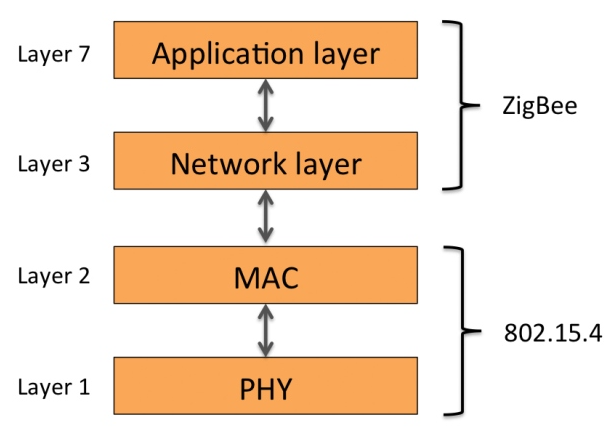
It is low cost, low power and can run on batteries. It uses the 802.15.4 Wireless protocol and uses mesh network structure. Zigbee 3.0 appears to be better for compatibility with Zigbee from others.
Read more here:
http://www.zigbee.org/what-is-zigbee/
Thread:
Thread is an open, IPv6-based, low-power, secure and future-proof mesh networking technology (6LoWPAN) for IoT products. The Personal Area Network Thread protocol specification is publicly available.
Images from TomsHardware site


Read here:
http://www.tomshardware.com/news/thread-mesh-networking-protocol-homes,29556.html
Post inspired by the various technology sites in the post
It is important to know how these automation products get their connectivity for control.
Some of the main connectivity options are:
Wi-Fi
Bluetooth
Insteon
UPB
Thread
Z-Wave
Zigbee
They all work with different protocols and platforms. One has to consider inter-operability while choosing one or the other. Cost, availability, ease of use and power consumption are also of concern.
Wi-Fi
It is widely used. Most homes have Wi-Fi routers and a wireless hub where they can connect to devices. Interference and bandwidth are the main issues as most people have already experienced. It is also high on power consumption. A real guzzler.
Read more here:

Bluetooth
This has become very common as they are used in headphones, speakers and a number of other products. Bandwidth-wise,
Wi-Fi>Bluetooth>Z-Wave/Zigbee
Consumption of power-wise it is better than Wi-Fi. The new Bluetooth low energy or BLE has greater range and capable of forming mesh network and not needing a hub. This clearly has winning points for home applications as it supports encryption as well.
More here:
*Bluetooth Low Energy (LE)
*Bluetooth Basic Rate/Enhanced Data Rate (BR/EDR)

Insteon
Devices using Insteon use both Power lines as well as wireless increasing pathways and introducing redundancy. Insteon is X10 compatible which makes it easy for those using X10. It does not have a high learning curve and non-technical folk can use it.

Read more here:
Here is a comparison sheet for some of the connectivity technologies:

Universal Powerline Bus(UPB)
Universal Powerline Bus(UPB) is a replacement for X10 with superior reliability and range (mile plus range). The signal rides piggy back over the powerline reducing cost for separate control lines. Although it replaces X10, it is not compatible with it. It is also incompatible with newer technologies like Wi-Fi, Bluetooth, etc. Lacking encryption, it is not as secure as wireless.

Read here are for more:
http://www.homeautomationinfo.com/Drupal/technology_upb
Z-Wave
Z-Wave runs on 908.42 MHz. It is one of the most popular home automation protocols and does not interfere with your 2.4GHz band devices. It is widely compatible with all Z-wave family of products. Compatible backwards and forwards. Setting up and using the devices are a breeze.

Read more here:
http://www.z-wave.com/
Zigbee
Very similar to Z-Wave. There appears to be interoperability problems between Zigbee devices from different manufacturers.(https://www.electronichouse.com/smart-home/home-automation-protocols-what-technology-is-right-for-you/).
It is low cost, low power and can run on batteries. It uses the 802.15.4 Wireless protocol and uses mesh network structure. Zigbee 3.0 appears to be better for compatibility with Zigbee from others.
Read more here:
http://www.zigbee.org/what-is-zigbee/
Thread:
Thread is an open, IPv6-based, low-power, secure and future-proof mesh networking technology (6LoWPAN) for IoT products. The Personal Area Network Thread protocol specification is publicly available.
Images from TomsHardware site


Read here:
http://www.tomshardware.com/news/thread-mesh-networking-protocol-homes,29556.html
Post inspired by the various technology sites in the post